Skip to content
Why Are My Home’s Lights Flickering?
A flickering light is usually a sign that something’s interrupted your home’s electrical flow. Sometimes it’s an easy fix, such as tightening a light bulb. Other times, an outlet stops working, creating an unexpected light show in your home.
This guide breaks down the most common causes of flickering lights:
- Loose light bulbs, fixtures, or switches
- Appliances or devices drawing heavy electrical loads
- Loose wiring or failing outlets on a shared circuit
- A failing outlet or circuit issue without a tripped breaker
- Problems with the electrical panel or incoming power
The issue may be confined to one light fixture or a wider electrical problem. We’ll help you narrow down the cause and determine next steps.
Key Takeaways
- Flickering lights can stem from a bulb, light fixture, outlet, or circuit.
- Severe or constant flickering can indicate a serious problem with your home’s electrical system.
- Outdated electric panels may struggle to handle power demands.
- A licensed contractor can safely diagnose and fix your home’s electrical problems.
Stop Flickering Lights with Help from Elliot Services!
If you’re experiencing problems with your lights, Elliot Services offers a comprehensive range of residential electrical services. We’re a licensed and insured full-service contractor for your convenience and peace of mind. Contact us for safe and reliable electrical repairs in Lexington and Louisville.
Loose Light Bulbs, Fixtures, or Switches
Your lights need consistent power to shine steadily. The briefest interruption in electricity can cause them to cut in and out. The first thing to check is that light bulbs are securely screwed in and in full contact with the socket. Bulbs should also be in good condition and compatible with dimmer switches.
Typically, if only one fixture is flickering, the problem is localized and connected to the bulb, socket, or switch. Over time, components can wear out and interrupt electrical flow. You may need to install a new light fixture.
Appliances or Devices Drawing Heavy Electrical Loads
If the flickering is occasional, try to notice when it’s happening. Air conditioners, washers, dryers, and microwaves consume a lot of energy. When large appliances first kick in, they can draw power away from your lights, causing them to briefly dim.
A momentary flicker isn’t usually a worry. However, continued blinking or noticeable dimming while the appliance is being used may be a sign that your circuit is overloaded. A professional can perform an electrical inspection and investigate further.
Loose Wiring or Failing Outlets on a Shared Circuit
Sometimes, the electrical interruption happens before the power reaches your light fixture. It’s usually because an outlet stopped working reliably.
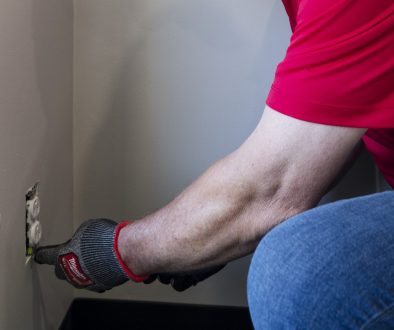
- Damaged outlets. Watch for worn outlets that don’t securely hold a plug, creating intermittent power to the fixture. Electricity can also be disrupted if a receptacle’s internal components are old, corroded, or loose. You may need to replace the electrical outlet.
- Outlets on a shared circuit. Circuits typically power multiple outlets. If one outlet isn’t working, it can impact others that share the circuit, interrupting power in multiple rooms.
A Failing Outlet or Circuit Issue Without a Tripped Breaker
Electricity follows an intricate path through your home, splitting off to different outlets. If one outlet stops working — even if a breaker isn’t tripped — the current can become unpredictable, causing flickering.
- Tripped GFCI outlets: Receptacles in kitchens and bathrooms are usually protected by a ground-fault circuit interrupter (GFCI). These outlets stop working when they detect an electrical issue. Since they’re often wired on the same circuit as other outlets, they can cause neighboring receptacles to fail until the GFCI is reset.
- Internal outlet failure: The issue may also be with the outlet that powers your lights directly. Faulty components or an overloaded circuit can cause an outlet to blow. The outlets may deliver uneven power, overheat, and eventually stop working.
Problems with the Electrical Panel or Incoming Power
Your electricity provider may be another cause of intermittent power to your lights. Check with Kentucky Utilities or Louisville Gas and Electric to ensure there’s not a service issue.
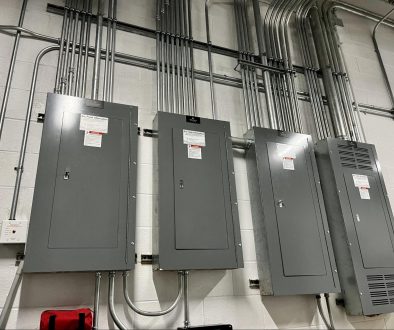
Then check your electrical panel, which directs incoming power to your outlets and appliances. If you notice flickering or power issues throughout your home, the electrical panel may be struggling to provide consistent service for your needs.
Over time, electrical panels become outdated or wear out. You may need to look into the cost of replacing your electrical panel. It’s safer to hire a professional contractor to handle this complex task than replace an electrical panel yourself.
Schedule an Electrical Inspection with Elliot Services Today!
Persistent or severe flickering can be a sign of a serious electrical issue. Make sure your home is safe and up to code with a thorough electrical inspection. With 75 years of service excellence, Elliot Services is your trusted choice for residential electrical services. Contact us today for prompt, expert help.