Skip to content
What Electrical Wire Colors Mean
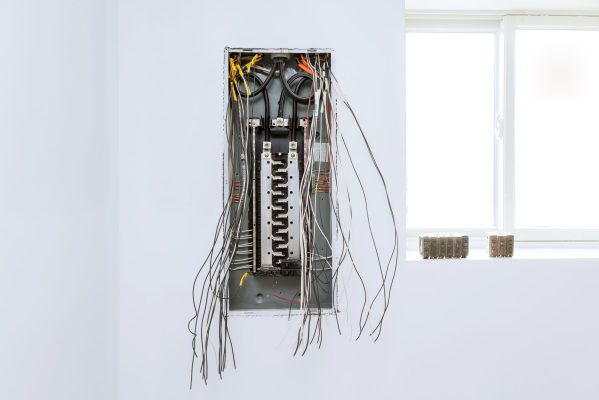
Have you ever been about to start a DIY project, found yourself face-to-face with a bunch of wires and wondered, “What do electrical wire colors mean?” Well, you’ve come to the right place for answers.
The colors of electrical wires are meant to give you a bit more information about the wire, often telling you if the wire is live and/or its purpose.
In this blog, we’ll cover everything you need to know about electrical wire color coding standards, including:
- Black wires: Hot power lines
- White wires: Neutral lines
- Green and bare wires: Grounding wires
- Red and blue wires: Secondary hot wires
- Yellow and other specialty colors
Rest assured, you’re about to become an electrical wire expert.
Stay Safe with Professional Wiring from Elliot Services
No matter how much you learn about electrical wire colors, you should leave whole-home rewiring to the experts. Elliot Services is your full-service electrical contractor. With over 75 years of experience, we know how to get the job done to your exact specifications.
Black Wires: Hot Power Lines
Black wires are hot power lines. They’re typically used for carrying current to outlets and switches. You’ll usually see black wires in most standard residential wiring setups.
Whenever you’re dealing with any electrical wires, you should always use safety precautions. If working with black wires, always treat them as live wires. A live wire is a wire that’s carrying an electric current and can lead to a fire or electric shock accident if misused. Preferably, leave touching black wires to professional electricians, who know proper safety protocols.
White Wires: Neutral Lines
A white or gray wire usually indicates a neutral line. These wires typically carry electricity back to the electrical panel, completing the circuit. Neutral lines are essential for safe and effective power flow.
Sometimes, white wires have black tape around them to indicate a “hot” connection in certain setups.
These may be called “neutral” wires, but that doesn’t mean they’re always safe to handle. Sometimes, white wires can still carry a current. This is especially true if the current load in the circuit is unbalanced. So, while the neutral line shouldn’t have an active current, the imbalance is making it carry one.
Handle white wires with caution at all times.
Green and Bare Wires: Grounding Wires
Green and bare wires are called grounding wires because they’re meant to ground an electrical circuit. This means they’re used for directing electricity safely into the ground in case of a fault. Grounding wires are critical for preventing electrical shock and protecting appliances.
Green wires only connect to other green cables.
Under normal operations, a green wire shouldn’t be active. However, if there’s a fault in the circuit, it could result in the green wire having a charge. Therefore, you should handle it as having the potential to be a live wire.
Note that green is the standard color for grounding under NEC regulations.
Red and Blue Wires: Secondary Hot Wires
Red and blue wires are typically used to mark secondary hot wires:
- Red wires are often used for switch legs or interconnected smoke detectors.
- Blue or yellow may be used for travelers in three-way or four-way switches.
These wires are critical in multi-way switch configurations and larger circuits.
Consider all red and blue wires to be active at all times.
Yellow and Other Specialty Colors
You’ll come across yellow and “specialty” colored wires less often. Yellow wires are sometimes used for switch legs in 277-volt circuits or specific industrial uses. Specialty colors may vary by region or application. It’s best to follow National Electrical Code (NEC) guidelines where applicable.
It’s recommended to reference local electrical codes for unique cases and colors. Color coding for electrical wires can help you understand what you’re likely dealing with.
It’s essential to recognize that handling electrical wires poses significant risks. You could injure yourself or others, start a fire, or permanently damage the system you’re working on. It’s never recommended to work on wires yourself, especially because you can never be certain when a wire is live. Always call a professional electrician for help.
Get Expert Electrical Help from Elliot Services
Need whole home rewiring? Call your local full-service electrical contractor at Elliot Services. Our licensed and insured contractors do the work for you safely and efficiently. We promise electrical excellence in all that we do.